
Tetap Terupdate dengan Berita dan Inovasi WXING.
A Cold Heading Machine is a key piece of equipment in fastener manufacturing, mainly used to produce bolts, nuts, screws, rivets, and other metal components.
Because it operates under high forming pressure and repeated impact loads, its service life depends on machine quality, production conditions, maintenance practices, and the condition of critical components.
In general, an industrial cold heading machine may have a service life of around 10–20 years, but this is only a reference range rather than a fixed standard. Proper maintenance, suitable operating conditions, and timely replacement of worn parts can help maintain stable production performance.
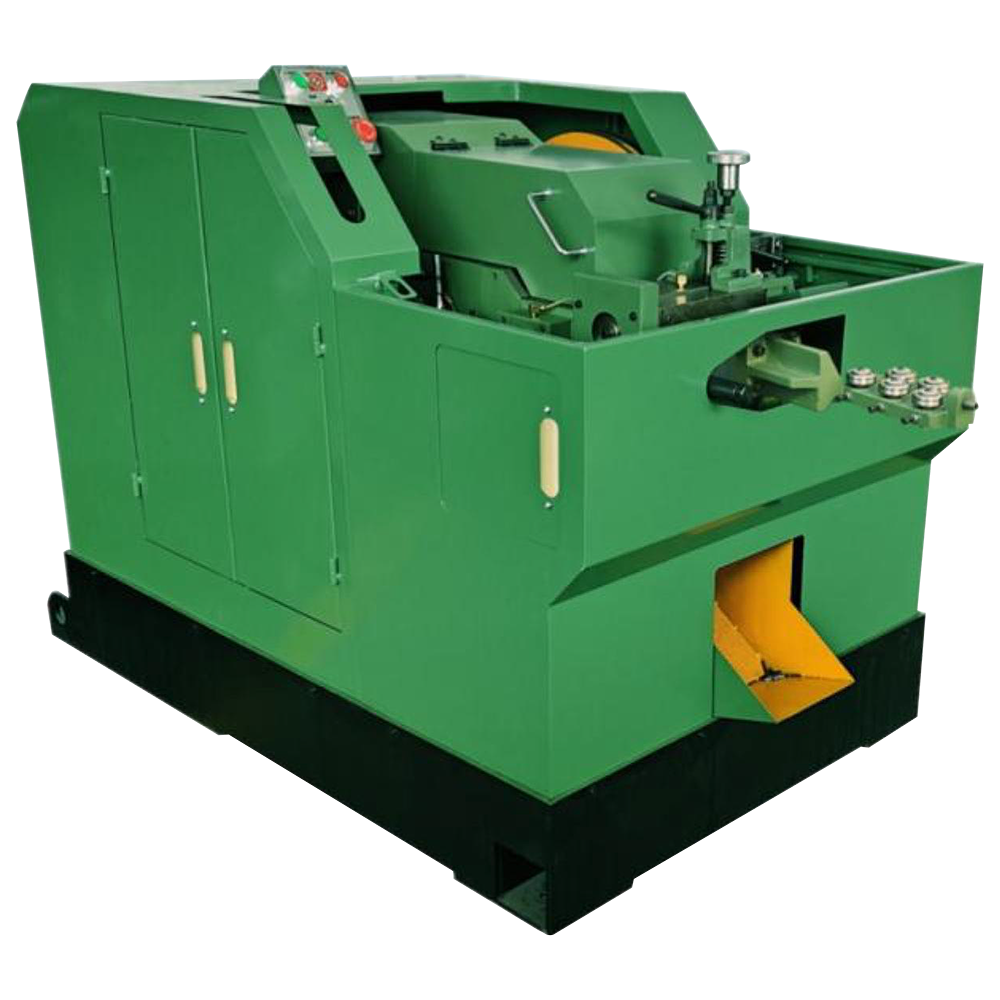
A cold heading machine needs to withstand significant forming forces during operation, making structural design and manufacturing precision important factors for long-term reliability.
Key factors include:
Note: High-quality equipment does not mean that all parts will last permanently. Instead, it usually provides better accuracy, stability, and easier maintenance throughout its service period.
The actual working conditions of a cold heading machine directly affect component wear.
The following situations may accelerate equipment deterioration:
For example, continuous heavy-duty production increases the working pressure on dies, punches, feeding systems, and transmission components. Selecting equipment that does not match production requirements may also lead to earlier performance degradation.
Proper maintenance is essential for extending the service life of a cold heading machine. During operation, components such as lubrication systems, dies, feeding mechanisms, and transmission parts experience continuous wear and require regular inspection and adjustment.
Common maintenance practices include:
Key point: The condition of key components, including dies, punches, bearings, and gears, directly affects machining accuracy and overall equipment stability.
Extending the service life of a cold heading machine requires a combination of proper operation and preventive maintenance.
Manufacturers can reduce equipment wear by:
Preventive vs. reactive: Compared with repairing equipment after failures occur, preventive maintenance helps reduce downtime and maintain more stable production.
A machine reaching a certain age does not necessarily mean it must be replaced immediately. More importantly, manufacturers should evaluate the actual operating condition of the equipment.
Replacement or upgrading may be considered when:
Worth noting: If the main structure remains stable, some cold heading machines can continue operating after necessary repairs and replacement of key components.
The evaluation should not rely only on the machine’s age. Buyers should also check operating records, maintenance history, wear conditions of critical components, and actual forming accuracy. Trial operation and sample production testing can provide a more reliable assessment.
Yes. If the main structure and core mechanical components remain in good condition, upgrading systems such as controls, feeding mechanisms, or replacing key worn parts may improve equipment stability and production efficiency.
New machines usually offer advantages in automation, production efficiency, energy control, and operation convenience. However, a well-maintained used machine may still provide practical value depending on production requirements and long-term operating costs.